
Help the monarchs
Small actions add up
Monarchs need milkweed to raise their young, flowers to fuel their trip, and people who notice them. You can help in your own garden, schoolyard or balcony, and by sharing what you see.
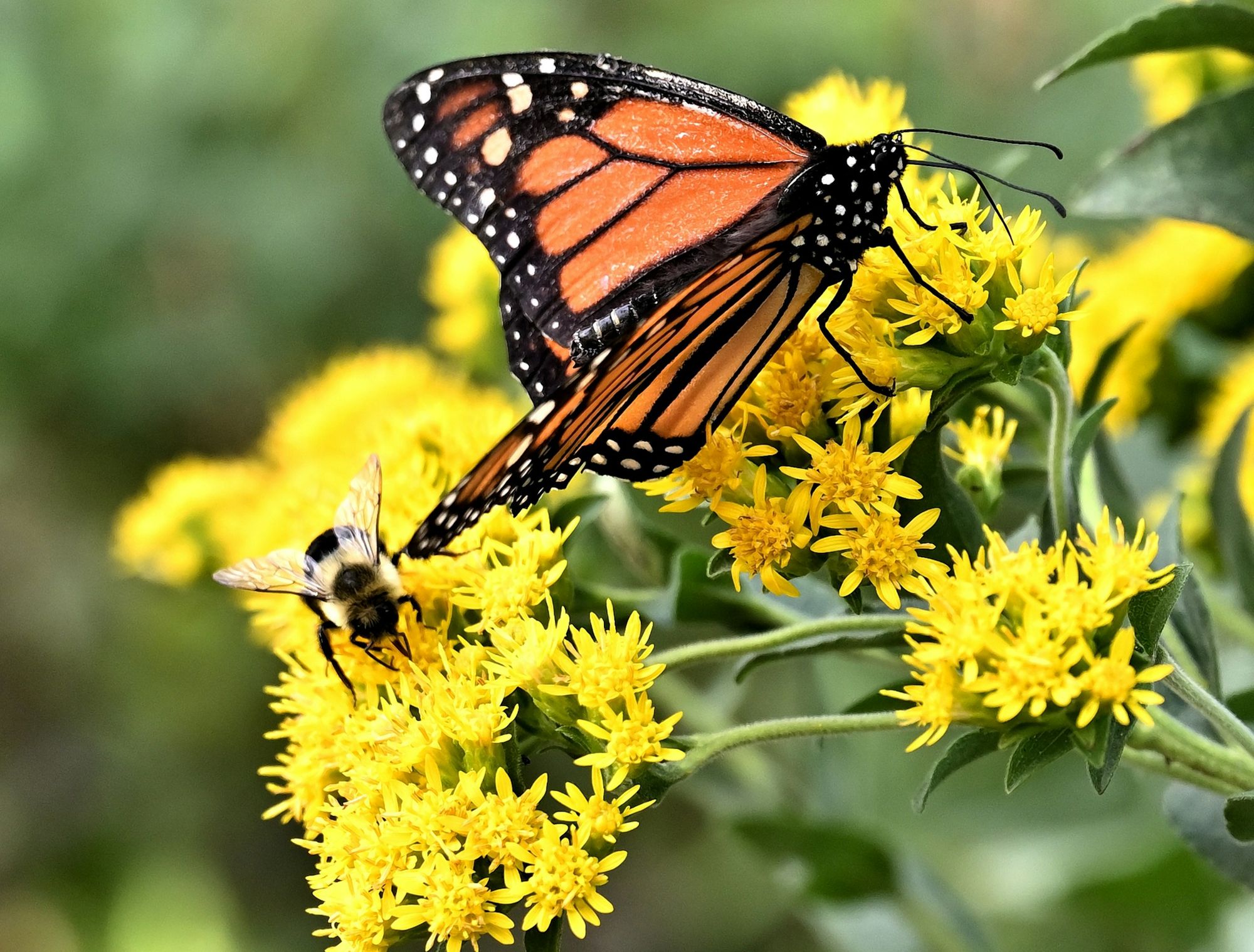
Danaus plexippus goldenrod and a bumblebee
1. Plant milkweed
Grow the milkweed that grows near you
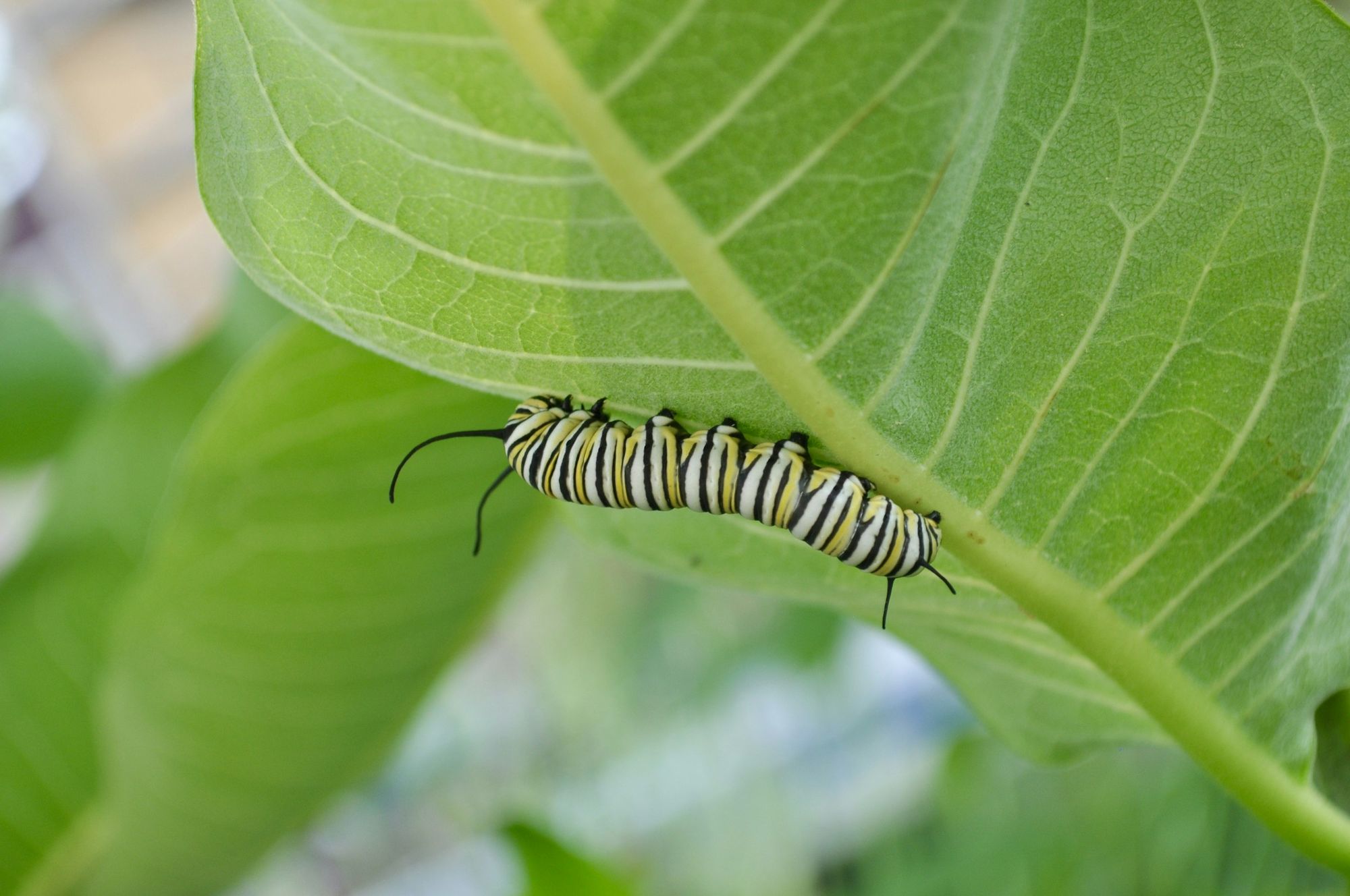
Native milkweeds are the only plants monarch caterpillars eat. Choose one that already grows wild in your province: it is used to your weather and your monarchs.
Pick a sunny spot
Milkweed and fall flowers want six or more hours of sun.
Match the soil
Butterfly milkweed likes it dry, swamp milkweed likes it damp, and common milkweed grows almost anywhere sunny.
Skip the sprays
No pesticides near milkweed and flowers, even “natural” ones.
Add fall flowers
Asters and goldenrod feed migrating monarchs in September.
Mow later
Leave milkweed patches unmown from June to August, when eggs and caterpillars are on the leaves.
Milkweed finder
Which milkweed grows near you?
Tap your province or territory. The list shows the milkweeds people have recorded growing wild there, with the ones easiest to buy marked as garden picks.
Tap your province. The number is how many kinds of milkweed grow wild there; darker means more.
Skip tropical milkweed. Asclepias curassavica is sold in garden centres but is not native to Canada. Choose a native milkweed from your list instead.
Milkweeds with 10 or more wild records in each province or territory, 2000-2026, from GBIF.org (mostly iNaturalist). Garden picks are the native species most often sold as plants or seed.
The garden year
April to October in a monarch garden
- Plant Sow or plant milkweed once the ground can be worked.
- Shoots and first monarchs Milkweed comes up in May, and the first monarchs arrive around the same time.
- Eggs and caterpillars Eggs follow the milkweed by about two weeks. Leave the patch unmown until the end of August.
- Monarch Blitz Late July: volunteers across Canada count eggs and caterpillars the same week.
- Fall flowers and migration Asters and goldenrod fuel the trip south through September and into October.
2. Count and share
Join community science
Scientists cannot be everywhere. Your sightings fill in the map, and many of the charts on this site exist because volunteers shared what they saw.
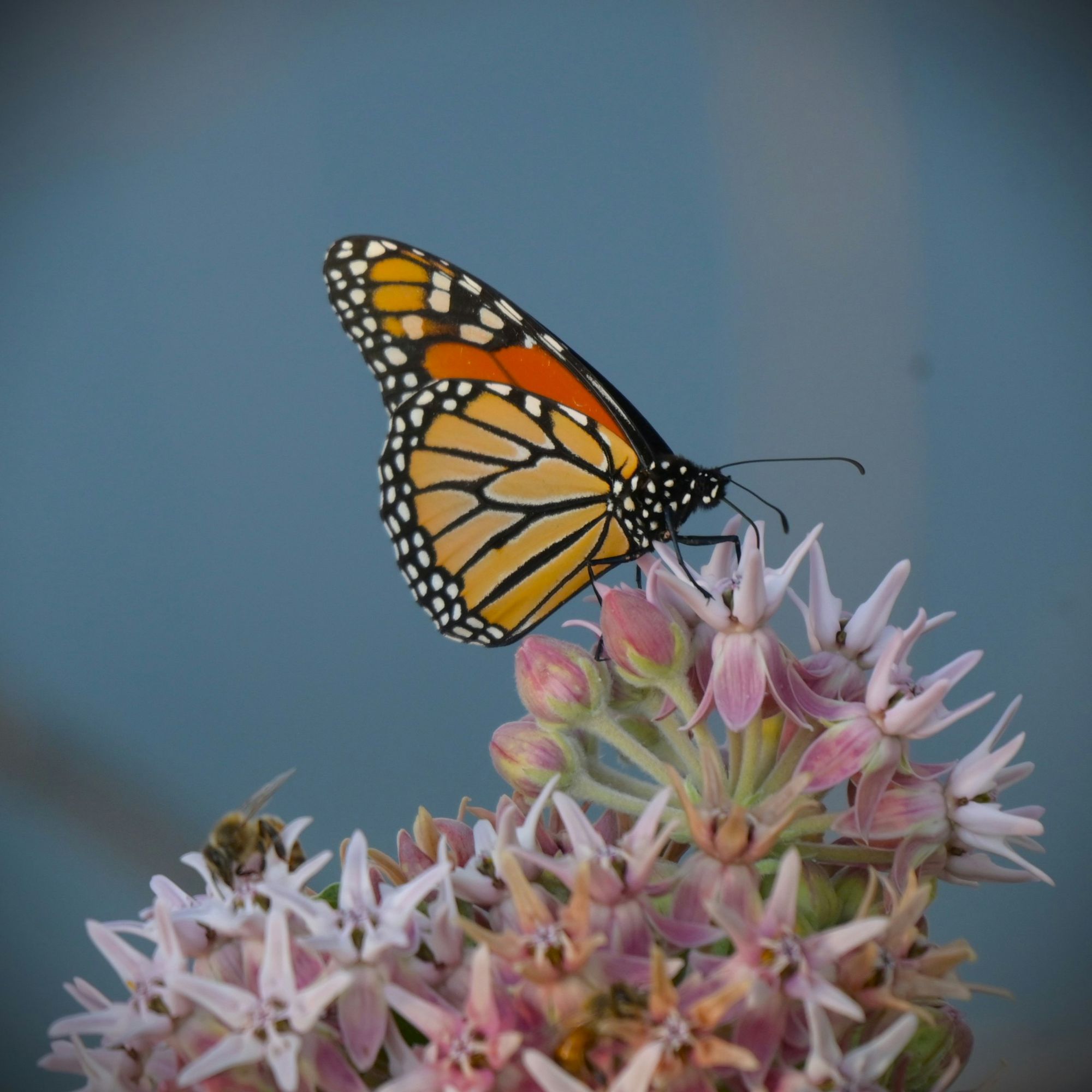
Every garden counts.
A patch of milkweed on a balcony, a schoolyard or a farm field is a place for the next generation to start.
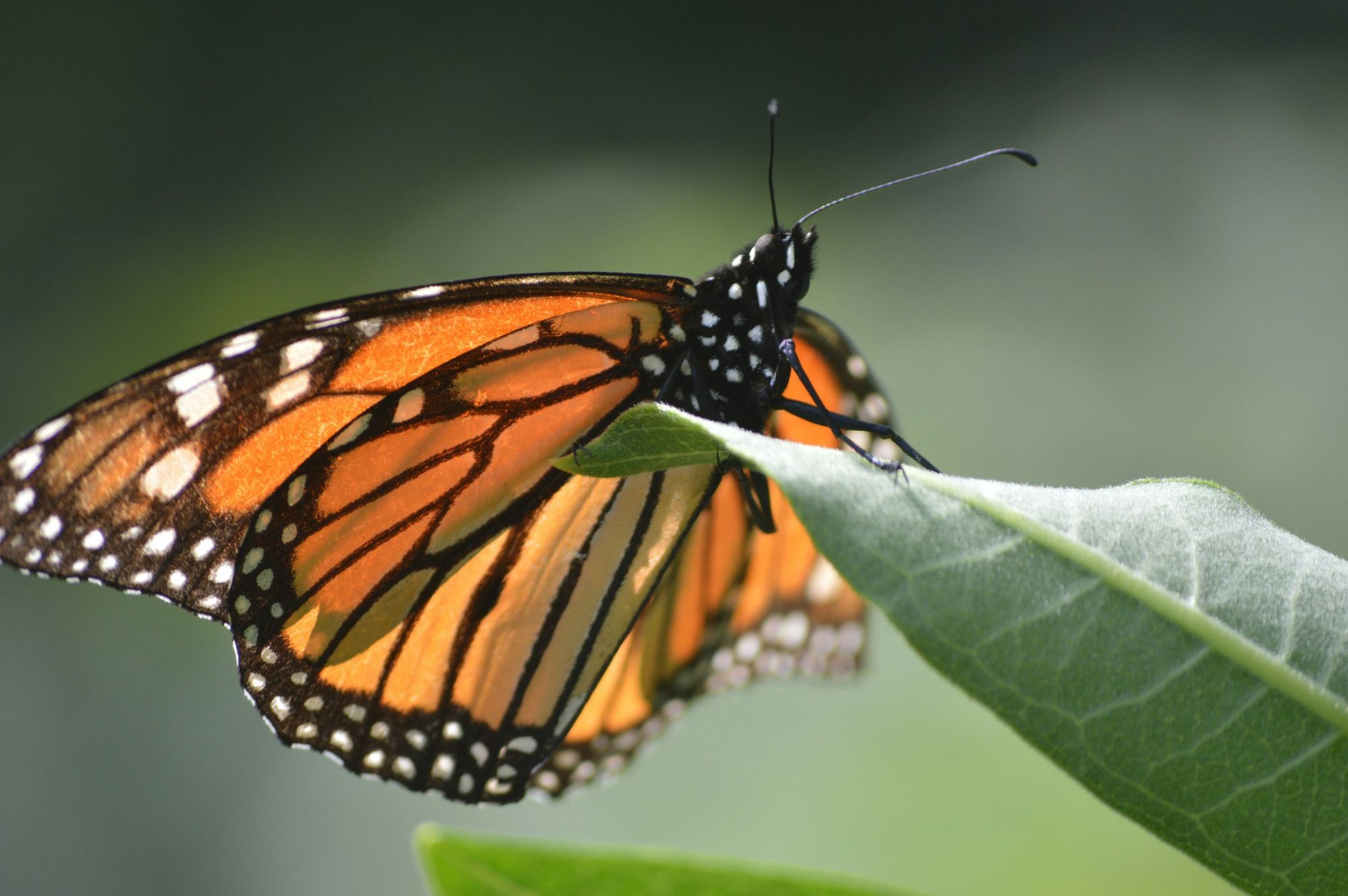
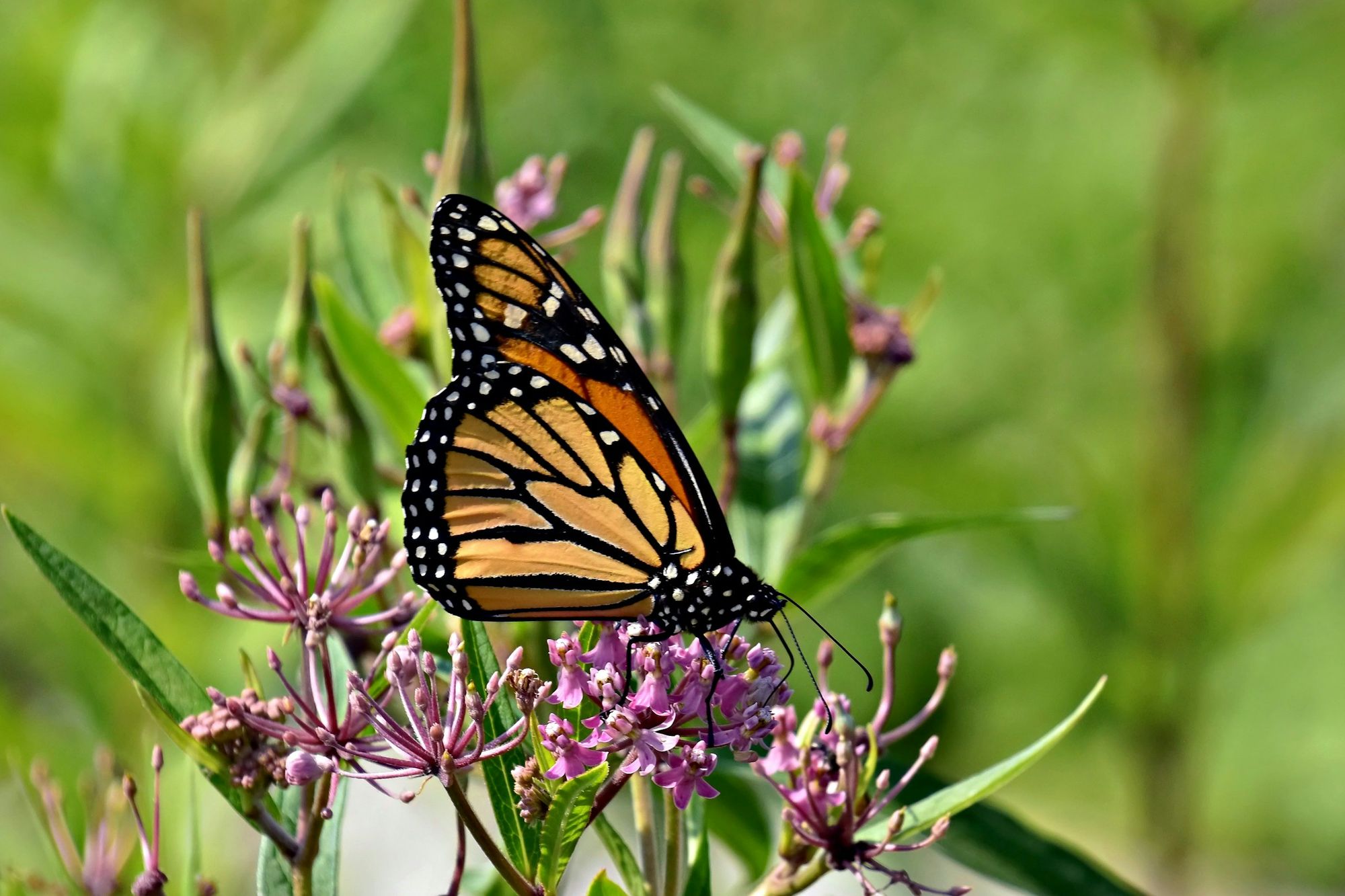
Danaus plexippus swamp milkweed
4. Give
Support the groups doing the work
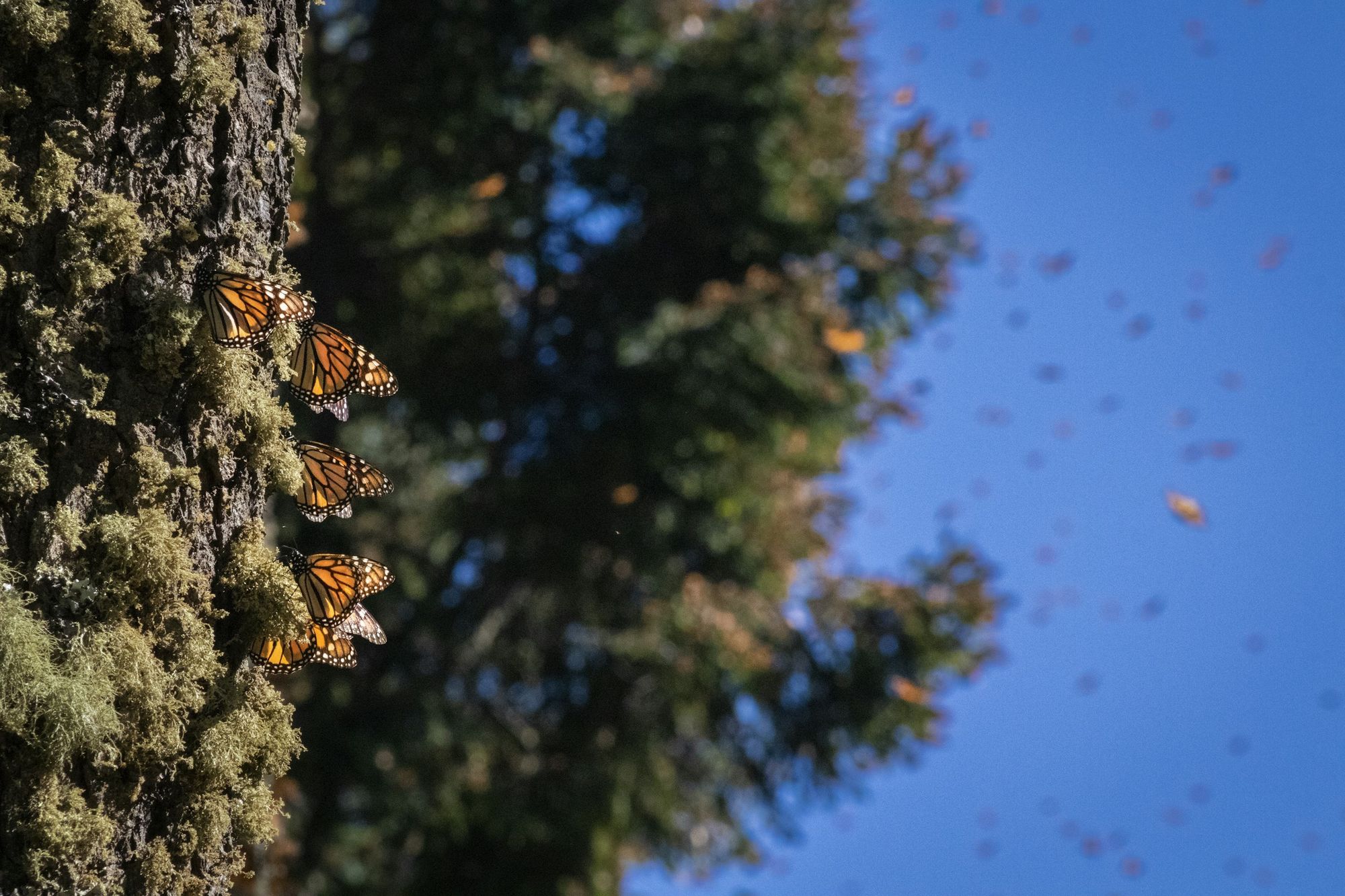
Little Wings points your gifts to groups that plant habitat, run community science and protect the winter forests.
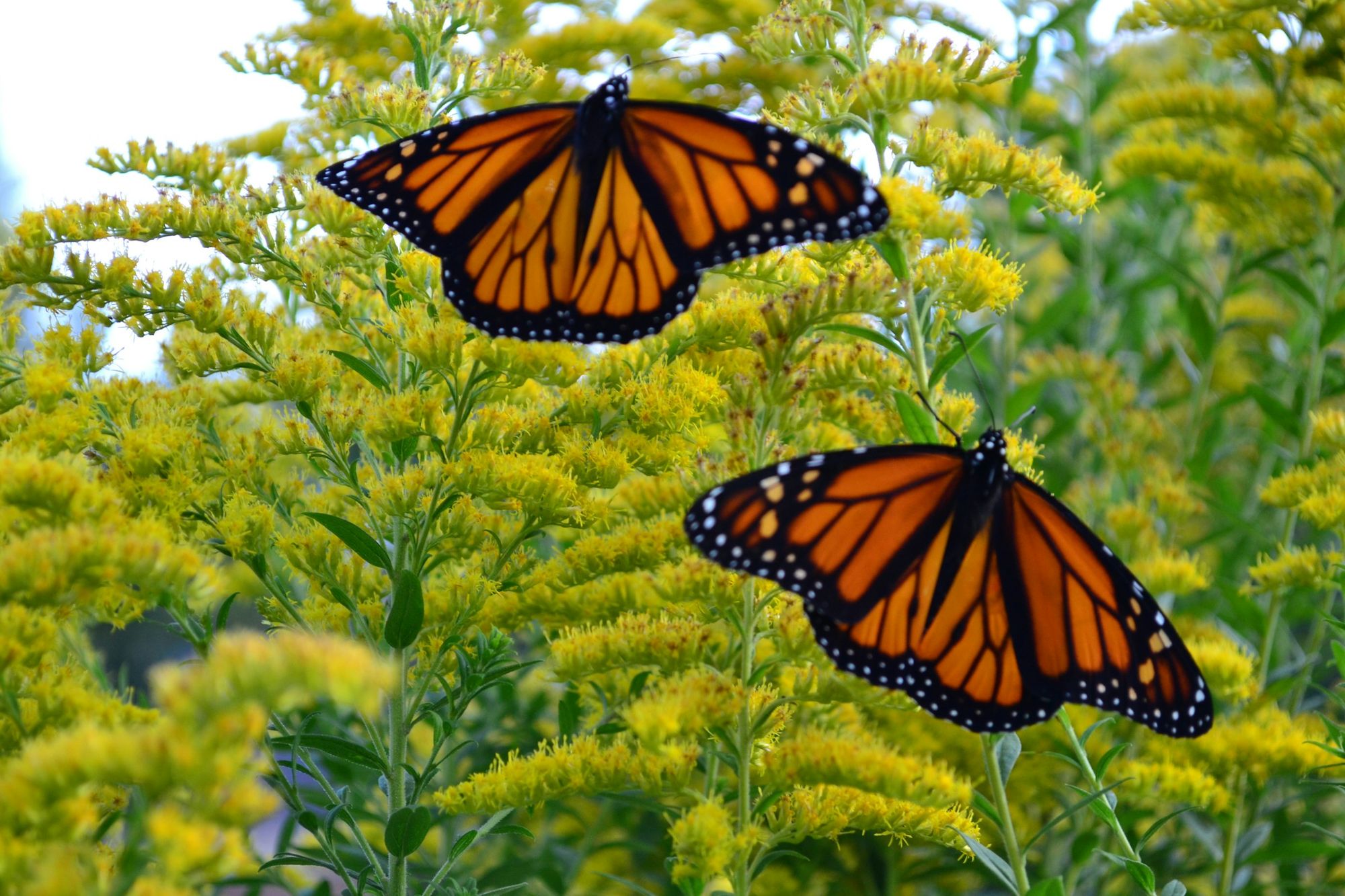
Danaus plexippus goldenrod